
Brevard’s Chapel History

The oldest surviving Black church in Lincoln County stands as an irreplaceable cornerstone and testament to centuries of history, unwavering faith, and indomitable community resilience.
The beloved historic chapel was built by the skilled hands of formerly enslaved Christians and is a wonderfully intricate example of Carpenter Gothic architecture from the late 1870’s. Revered throughout the area, the chapel is an irreplaceable artifact of African American heritage and the community to which it belongs. Its historic presence on Campground Road in the town of Denver, NC, in Lincoln County, has established it as a beloved and iconic landmark situated next to Rock Springs Campground.
In February 2025, the United Methodist Church (UMC) announced new plans for the site, which unfortunately included the demolition of the chapel. However, in March of 2025, these plans were put on hold by the UMC to allow a collaborative effort to proceed with developing a restoration and sustainability plan. In the summer of 2025, the United Methodist Church approved HEARTS’ plan, allowing HEARTS to proceed with the oversight and facilitation to raise funds and implement the vision. Through joining together with HEARTS, the United Methodist Church Catawba Valley District, Lincoln Landmarks, Lincoln County Historical Association, Preservation North Carolina, Preserve Mecklenburg, and many others are coming together to save this important piece of history.
This collaboration and the community’s continued support are crucial for the restoration and rehabilitation of Brevard’s Chapel.
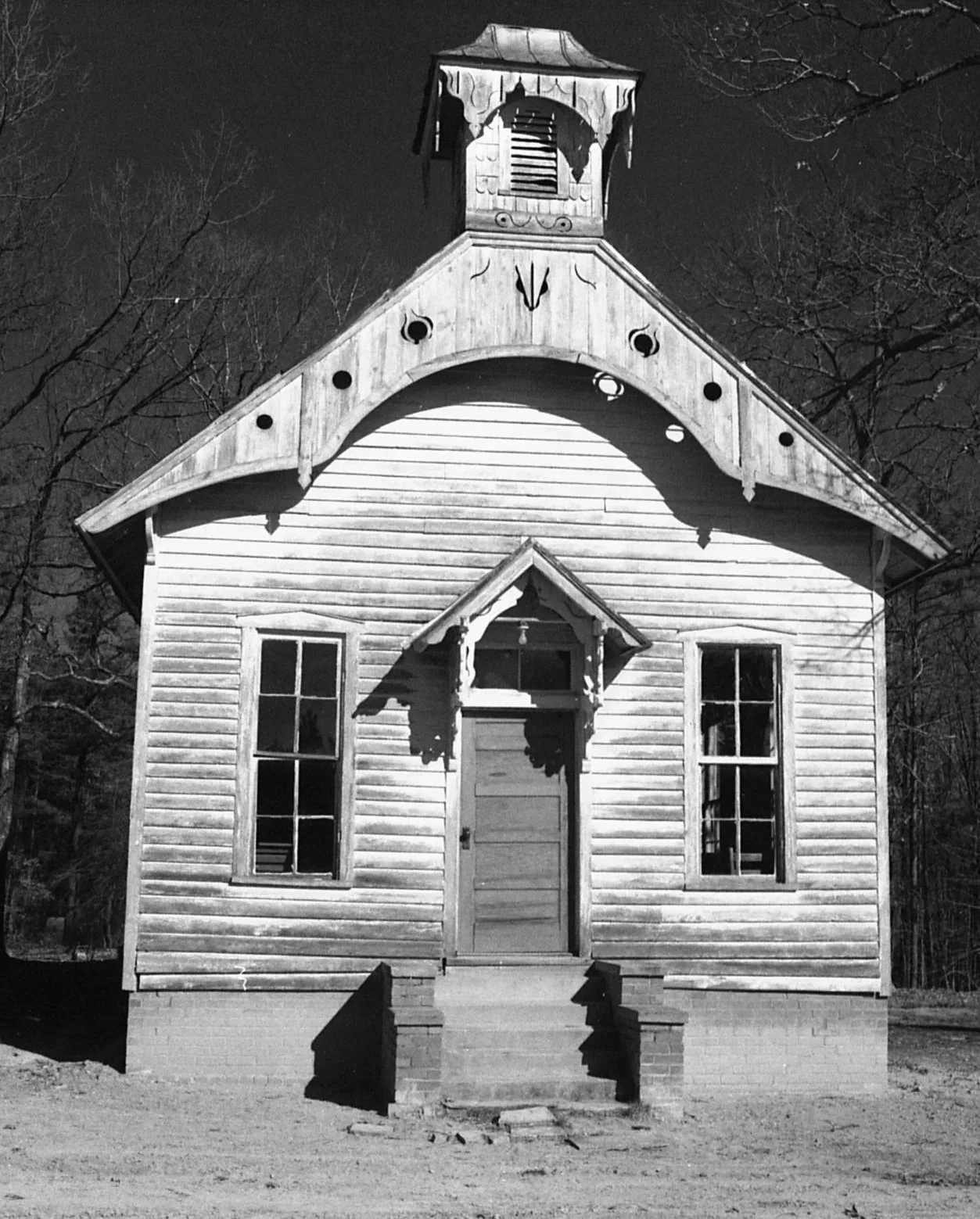
Historic photo courtesy of Lincoln County Historical Association.

The "R" in HEARTS represents HEARTS Reunion Project, the genealogical component of our mission. The article below is authored by HEARTS Reunion Project Co-Chair, Andre’ Kearns.
From Enslaved Ironworker to Sacred Ground: Why Brevard’s Chapel Still Matters
Written by HEARTS’ Andre Kearns, From Enslaved Ironworker to Sacred Ground: Why Brevard’s Chapel Still Matters explores the deeper story behind Brevard’s Chapel and the man whose name it bears. Kearns traces the chapel’s origins to Henry Brevard, who was born into slavery in North Carolina’s iron-manufacturing region and later gained his freedom through skilled labor and perseverance.
Following emancipation, Brevard acquired land and helped establish a place of worship for Black families who previously traveled miles to attend services.
Kearns emphasizes that preserving Brevard’s Chapel is not only about saving a building, but about honoring the legacy of those who built sacred spaces in the face of enormous barriers and ensuring their stories remain visible and remembered. Read the full article here
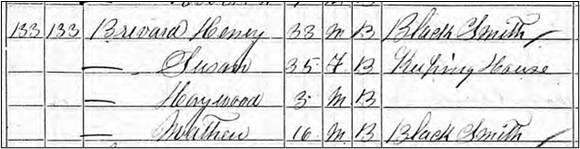
Henry Brevard in the 1870 U.S. Census for Lincoln County, North Carolina, the first federal census to record formerly enslaved people by name, listed with his wife Susan and two children. His occupation is recorded as blacksmith, marking the transition from enslavement to skilled, independent labor.
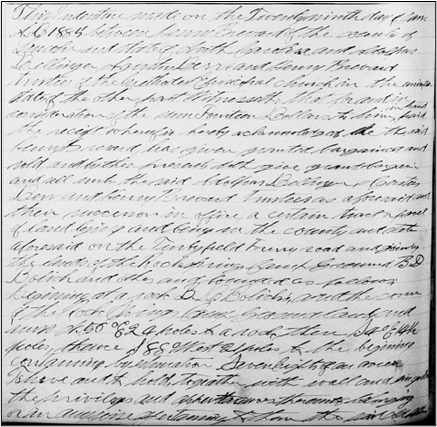
Lincoln County, North Carolina, deed records, Henry and Susan Brevard to trustees Henry Brevard, Augustus Derr, and Adolphus Dellinger, 29 January 1885; image, Family Search
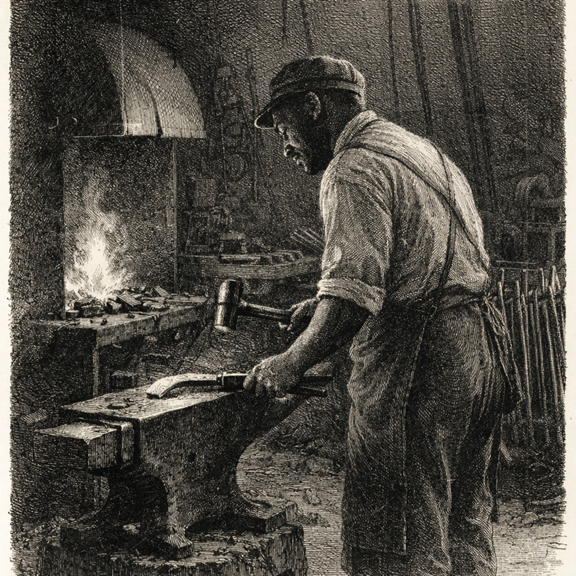
Illustration of a 19th-century African American blacksmith, representing the type of work Henry Brevard likely performed.
Featured in A Legacy of Faith, Rural Methodist Churches in North Carolina


A four page feature on Brevard Chapel in the book Legacy of Faith - Rural Methodist Churches in North Carolina authored by Laura A.W. Phillips with photography by Tim Buchman and published by the Duke Endowment.
This is a time-sensitive project! If we don't raise the necessary funds, historic Brevard’s Chapel may face demolition. We are confident that community support exists. Please donate or pledge your support today. Let's prevent this important community landmark from being erased from the landscape!
Together, we can make this happen!